Yahoo board wins vote of confidence
02 August 2008
 It's finally over - after months of speculation and corporate politics, the Yahoo annual meeting has finally concluded with the re-election of the current board of directors. Of course, the result was not entirely unexpected after board rival Carl Icahn had called off hostilities and entered into an agreement with the management which would see him and two of his nominees elected to an expanded board at a later date. He was a notable absentee at the meeting. (See: Icahn to join Yahoo! board; calls-off proxy slate)
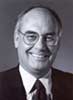 While CEO Jerry Yang received a whopping 85 per cent of the votes cast, chairman Roy Bostock was re-elected with about 80 per cent of the votes. However, the picture was not completely rosy. A sizeable number of votes were withheld for Yang and Bostock in a sign of investor discontent with the Web portal's board.
 Bostock received a 20.5 per cent withhold vote, while Yang received a 14.6 per cent withhold vote. Director Arthur Kern had 22.1 per cent of votes withheld while Ron Burkle had 18.8 per cent and Gary Wilson had 18.2 per cent. Kern, Bostock and Burkle are members of the board's compensation committee and had been the target of a 'Vote No' campaign by a group that criticized the group's decisions.
Executives and board members tried to soothe dissenting investors, insisting Yahoo had been serious in the Microsoft talks and that it had good prospects in the next three years.
Yang said today that Yahoo is on the verge of seeing its internet advertising strategy pay off. ''We are still in the middle of a massive transformation. The Internet is still the only industry, really, that's growing in advertising revenue.''
Chief Financial Officer Blake Jorgensen said Yahoo is seeing sales growth even amid the economic slowdown. He said the company's balance sheet is ``extremely healthy'' and that Yahoo may repurchase shares and make acquisitions in years to come.
