Guniea ousts Rio Tinto from ore project
27 December 2008
The world' second largest miner, Rio Tinto is struggling to save the northern part of the Simandou iron ore project in Guinea, as the licence granted to it has been re-allocated and awarded to its lesser known rival, BSG Resources, under the so-called "use-it-or-lose-it" principle.
Guinea possesses over 25 billion metric tons (MT) of bauxite, which perhaps is one-half of the world's reserves and more than 4-billion tons of high-grade iron ore.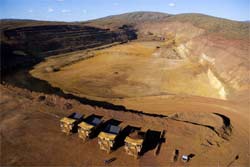 Rio Tinto, which has been working on the Simandou iron ore project for more than a decade, had been negotiating with the government of Guinea since August 2008 following a letter written to it by the late President of Guinea to relinquish the northern part of the Simandou project as the company had not done any drilling or exploration in that area.
Rio Tinto had been actively involved in drilling in the southern part of the Simandou project but had largely not made any investment or conducted drilling in the northern part and in the beginning of this month announced an aggressive cost cutting campaign to reduce its debt by $10 billion from $42 billion by the end of 2009. (See: Major shake up at Rio Tinto to reduce debt)
The company also said that it will delay investment of more than $25 billion on 16 projects with the phase-two expansion of its Pilbara iron ore mine in Western Australia, the $1.8 billion Yarwun expansion plan and the Simandou project in Guinea will be some of the projects that will be held back.
Based on this announcement, the government of Guniea re-allocated and awarded the northern undeveloped part of the Simandou iron ore project to BSG Resources, a privately owned mining company owned by Israeli billionaire, Steinmetz.
Rio Tinto confirmed having received the letter from the Guinean minister of mines, where it states that the Guniea council of ministers has instructed the ministry of mines and geology to effect a compulsory relinquishment of the northern half of the Simandou mining concession whilst confirming Rio Tinto's entitlement to the southern half of that concession.
